The Story Behind the Kanyakumari sunrise
The Story Behind the Little Egret: A Rare Moment in Kanyakumari
MORE CLICK…..
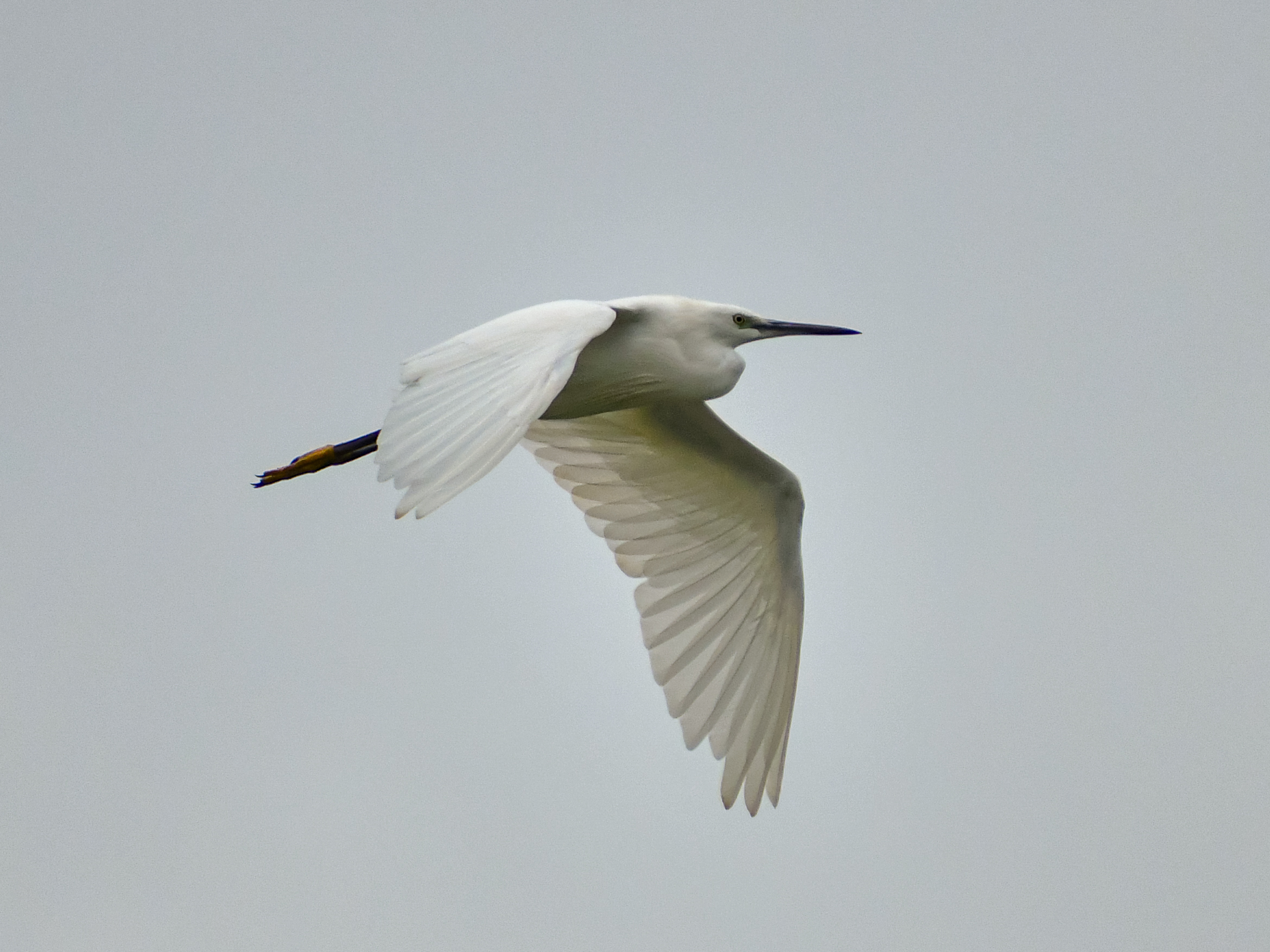
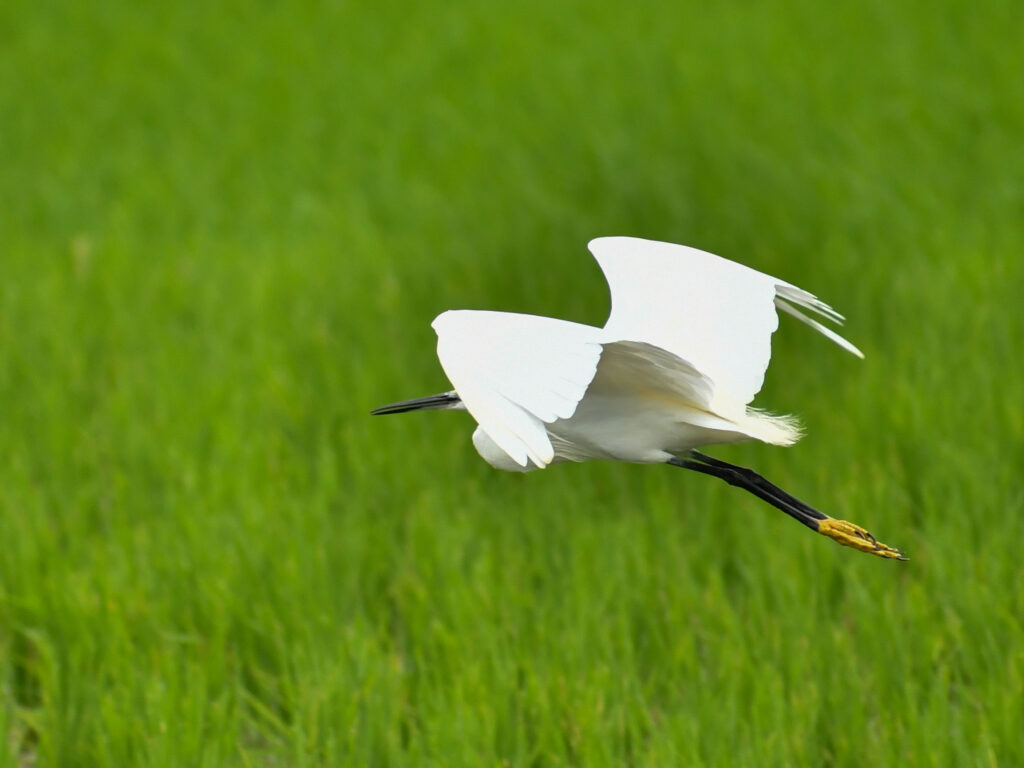
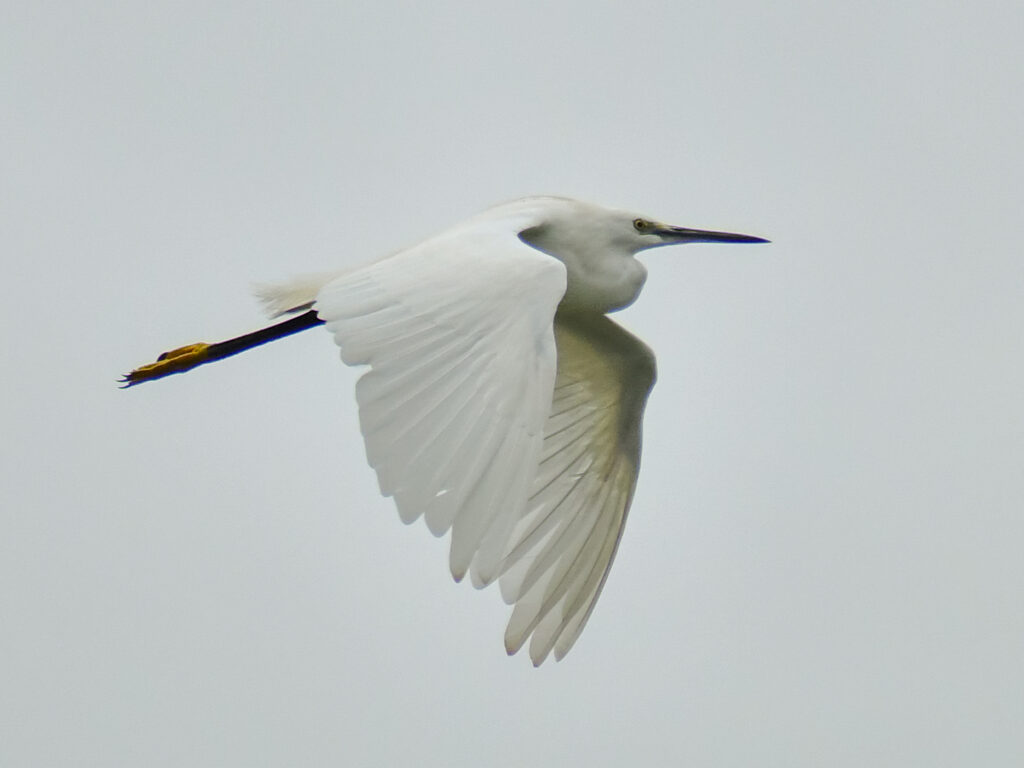
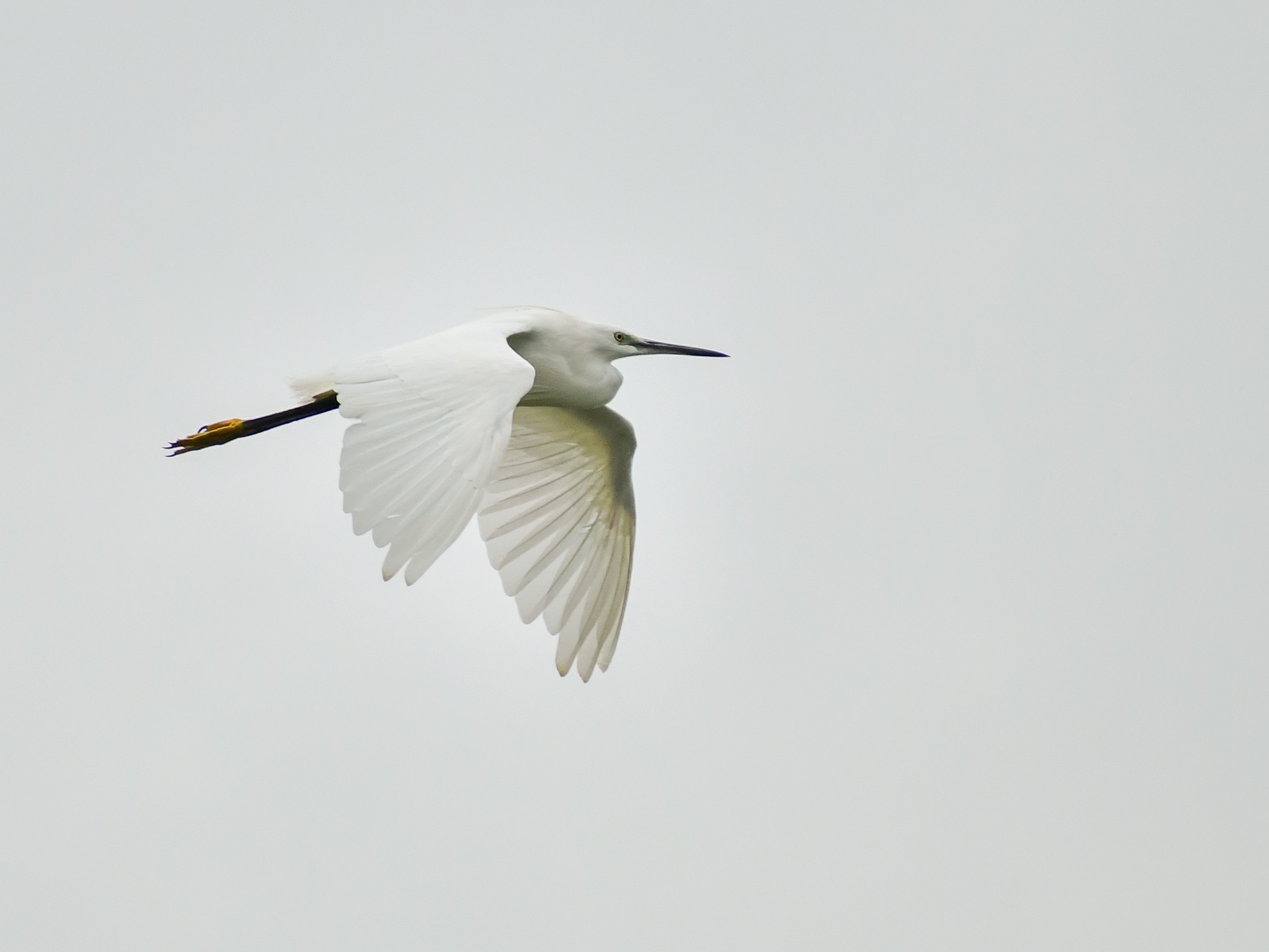
The Story:
My morning began, as usual, with my work as a photographer in Kanyakumari. I regularly photograph tourists who visit Kanyakumari to experience the sunrise. This work is also an important part of my daily life, helping me manage my everyday expenses.
After photographing a few tourists around sunrise and completing my work, I started my journey back home at around 7:00 AM.
On the way, I passed through the agricultural fields surrounding my home. The paddy fields were green and the young rice plants had grown tall. Several women, elderly women, and men were already working in the fields during the early morning hours, removing unwanted weeds from between the rice plants.
I stopped for a moment and watched them working quietly in the morning atmosphere. I then continued home.
After reaching home, I went to a nearby tea shop. While having tea at around 7:30 AM, a thought came into my mind.
I usually travel several kilometres from home, sometimes 8, 10 or even 15 kilometres, searching for birds and interesting subjects to photograph. But that morning, I thought, “Why not explore the fields close to my own home? There may be small birds and other interesting wildlife there too.”
The weather was cloudy and rain was falling lightly. Still, I decided to take my camera and explore the nearby paddy fields.
By the time I reached the field, it was around 8:00 AM.
I took my Nikon D7500 and 70–300mm zoom lens, prepared my camera, and stepped into the field.
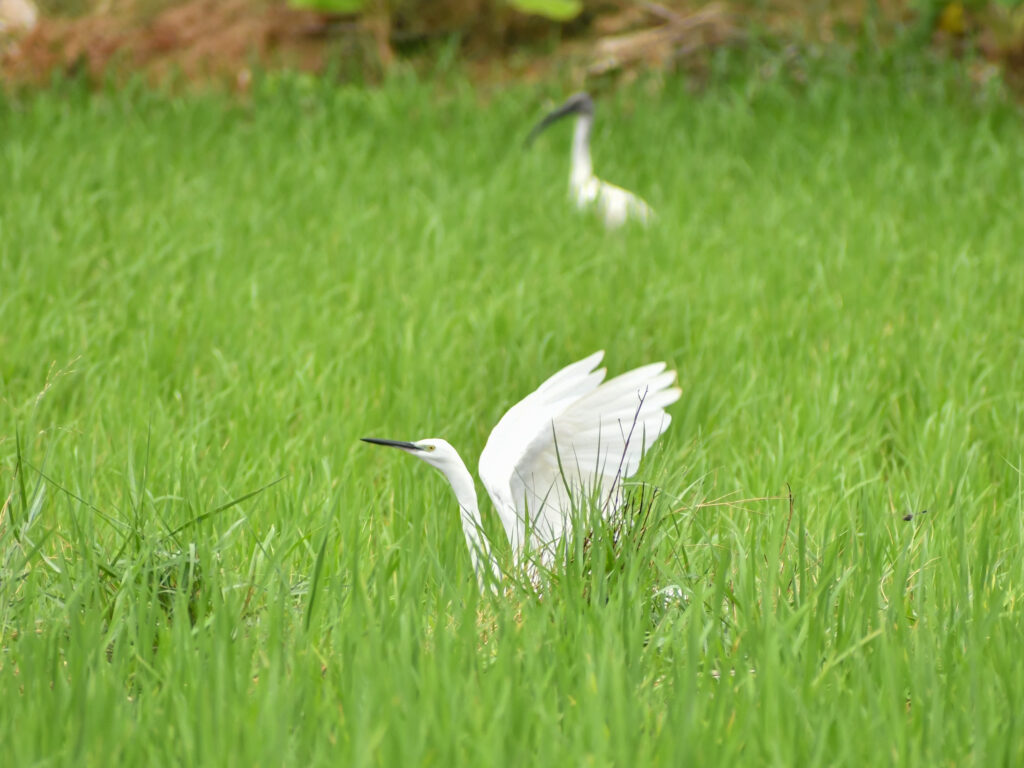
The first thing I noticed was a small group of tiny greyish and white birds. I immediately raised my camera to photograph them. But before I could properly focus, they suddenly flew away at incredible speed.
That moment taught me something important. Photographing birds is not simply about finding a beautiful subject and pressing the shutter. The photographer has to be ready before the moment arrives.
As I continued watching the field, I noticed many different birds. I saw birds flying overhead and others moving around the agricultural landscape. Among them were Little Egrets, mynas and several other species.
I settled down near the field bund where water was flowing and began observing the surroundings carefully.
The cloudy weather and light rain made the available light quite challenging. I adjusted my camera settings and took a few test photographs to understand how the green paddy field was appearing through the camera.
The first test images showed that the colour and light were not quite what I wanted. I adjusted the white balance and continued testing until the scene looked more natural.
I also changed the camera to continuous shooting mode because the birds could take flight at any moment. For flying birds, I knew that a single photograph would not always be enough. I needed to be ready to capture several frames in quick succession.
While I was preparing the camera, the birds began returning to the area.
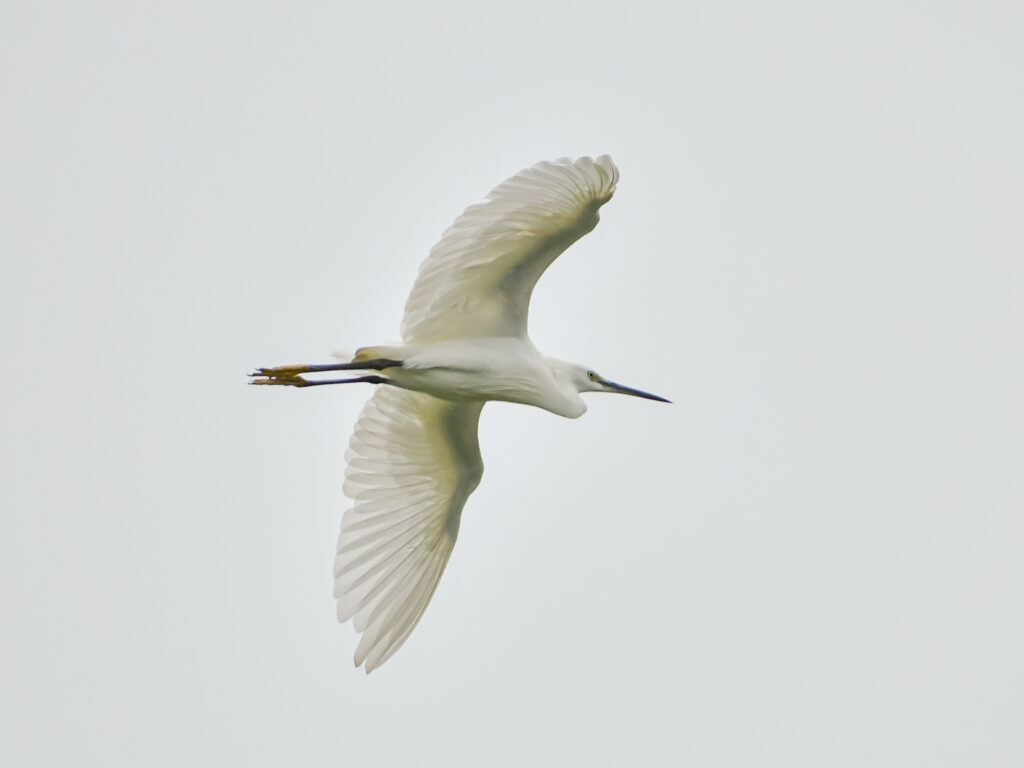
Then I noticed a Little Egret flying across the field.
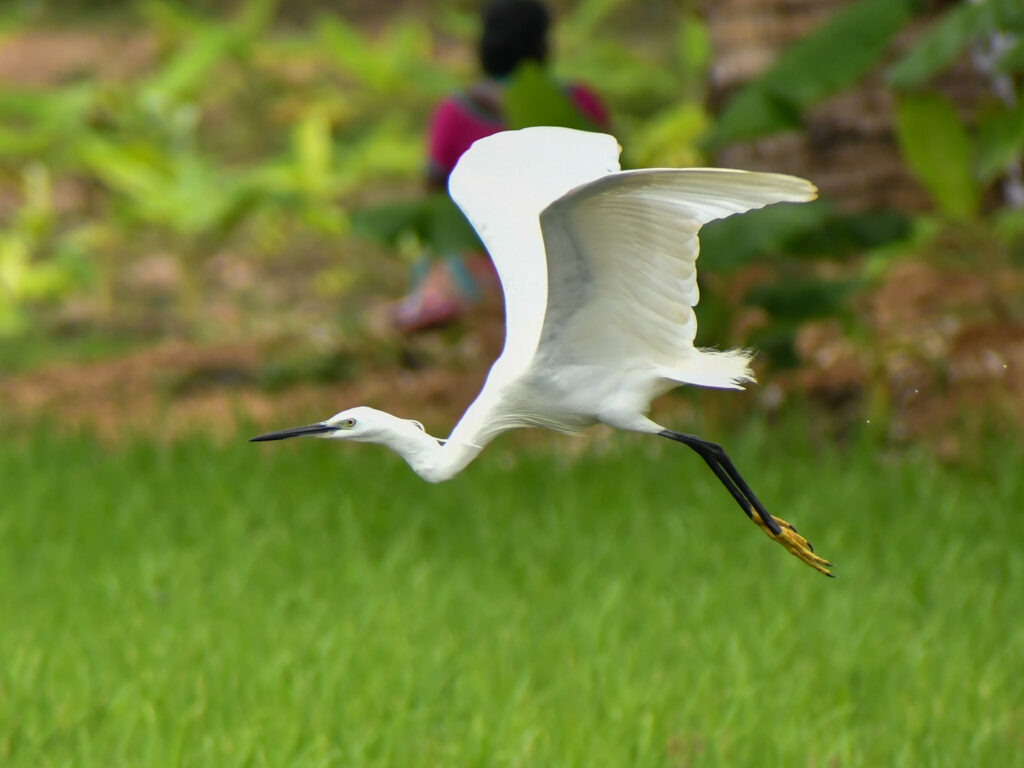
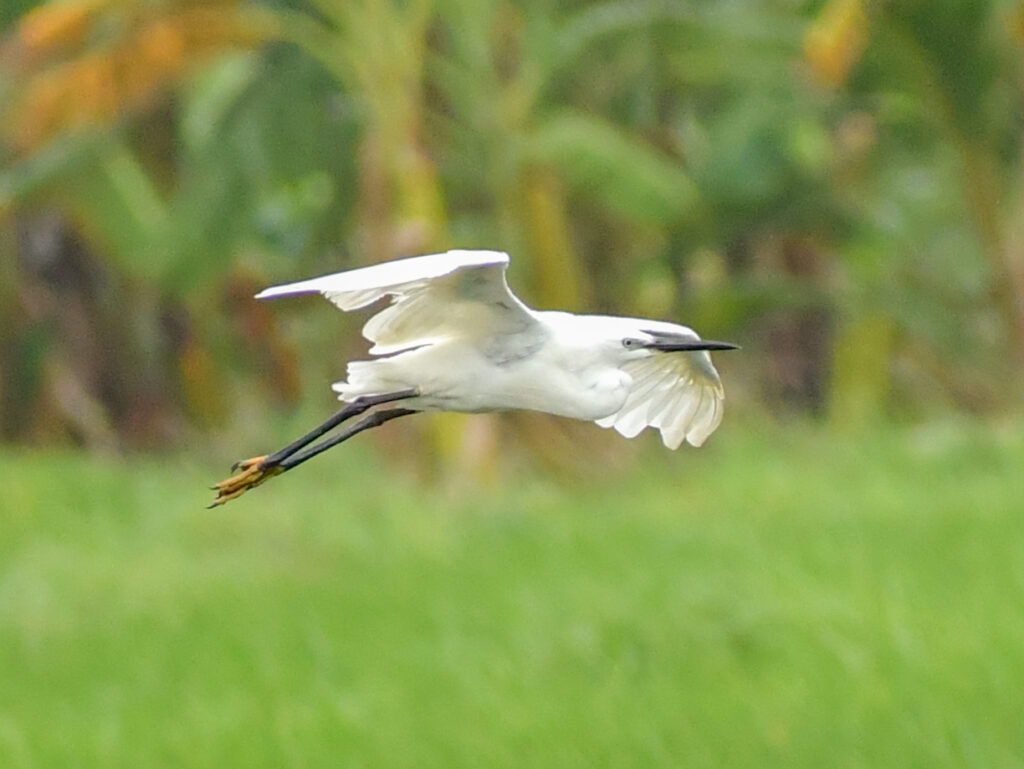
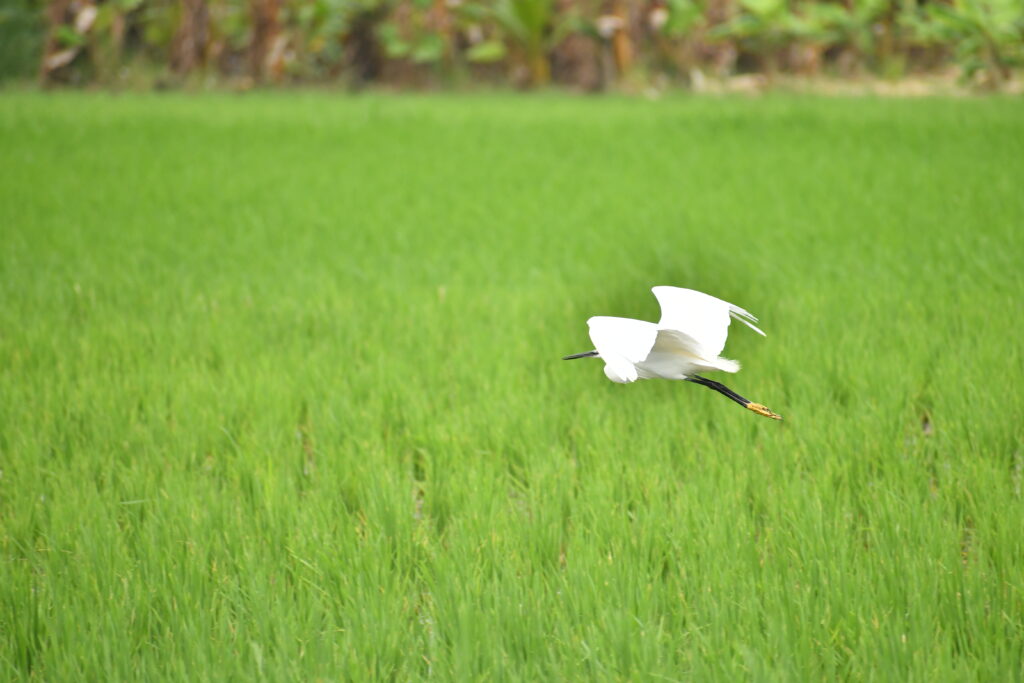
At that moment, I moved carefully between the banana plants to find a better composition. I wanted more than just a photograph of the bird. I wanted the image to show the green paddy field, the surrounding coconut trees, the agricultural environment and the people working in the background, while keeping the people slightly out of focus so that the Little Egret remained the main subject.
As the Little Egret approached the area where the workers were standing, I pressed the shutter and captured several consecutive frames.
The photograph you see here was the second frame from that sequence.That was the moment when the morning visit to the paddy field became much more than an ordinary bird-photography outing.
photo
👀 What I Saw
As I stood quietly in the paddy field, I began noticing how much life was moving around me. The green rice plants, the flowing water along the field bunds, the farmers working in the morning, and the birds moving between the fields created a beautiful natural scene.
I saw several different kinds of birds that morning. Some appeared only for a few seconds before flying away, while others stayed around the field searching for food.
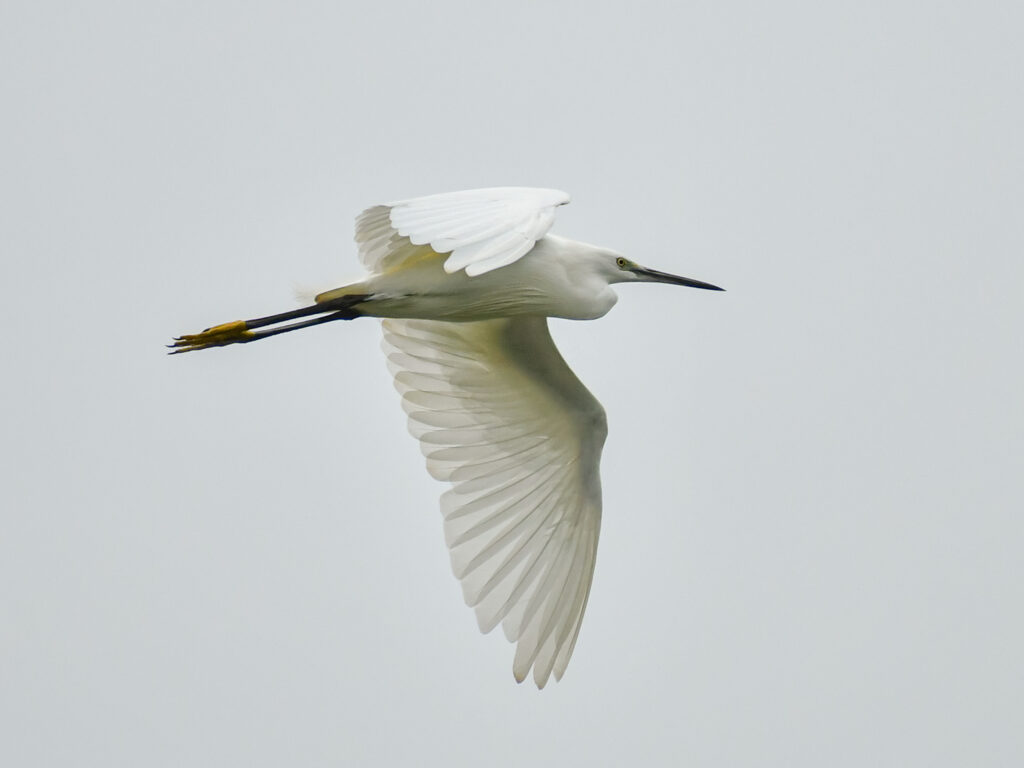
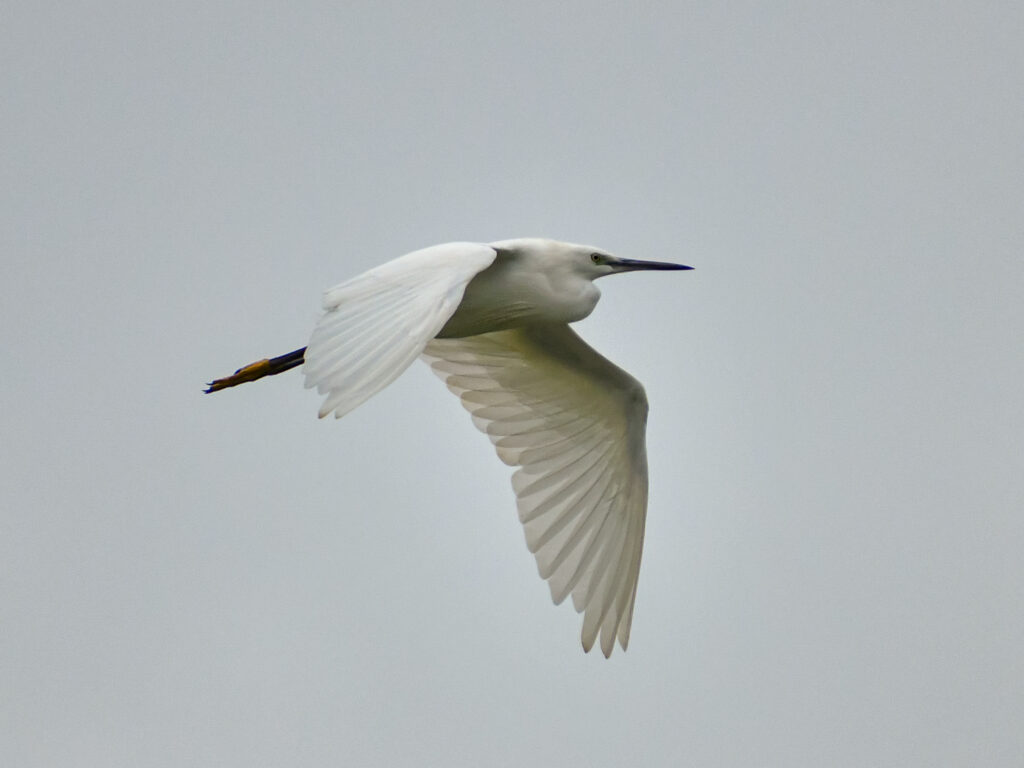
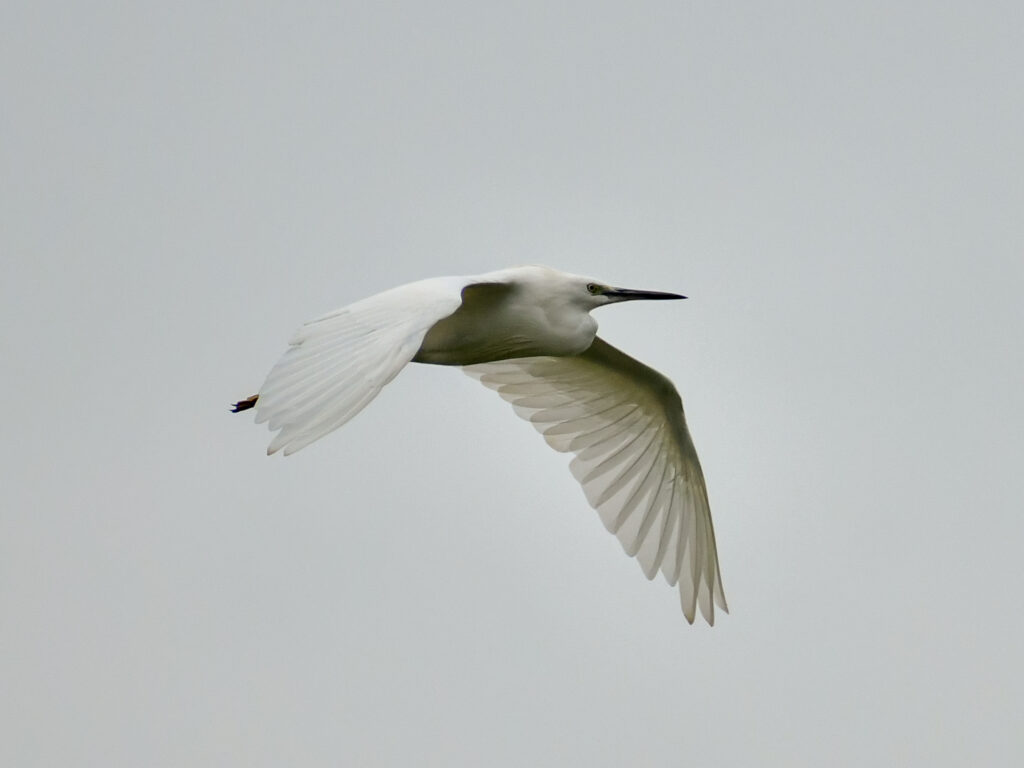
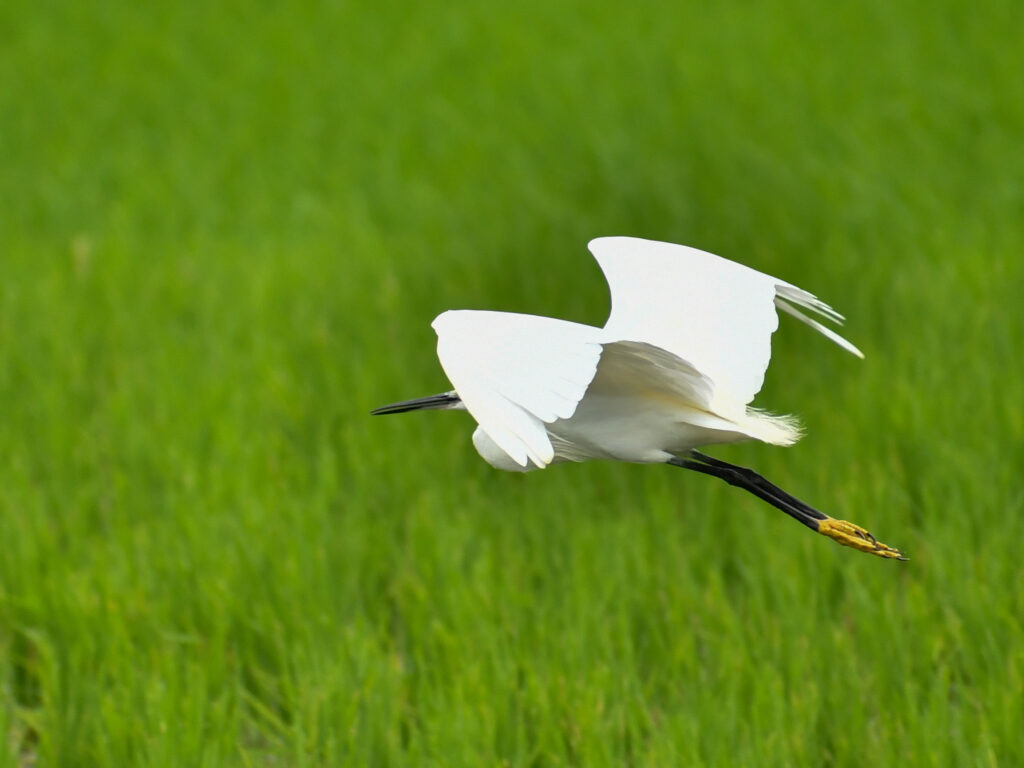
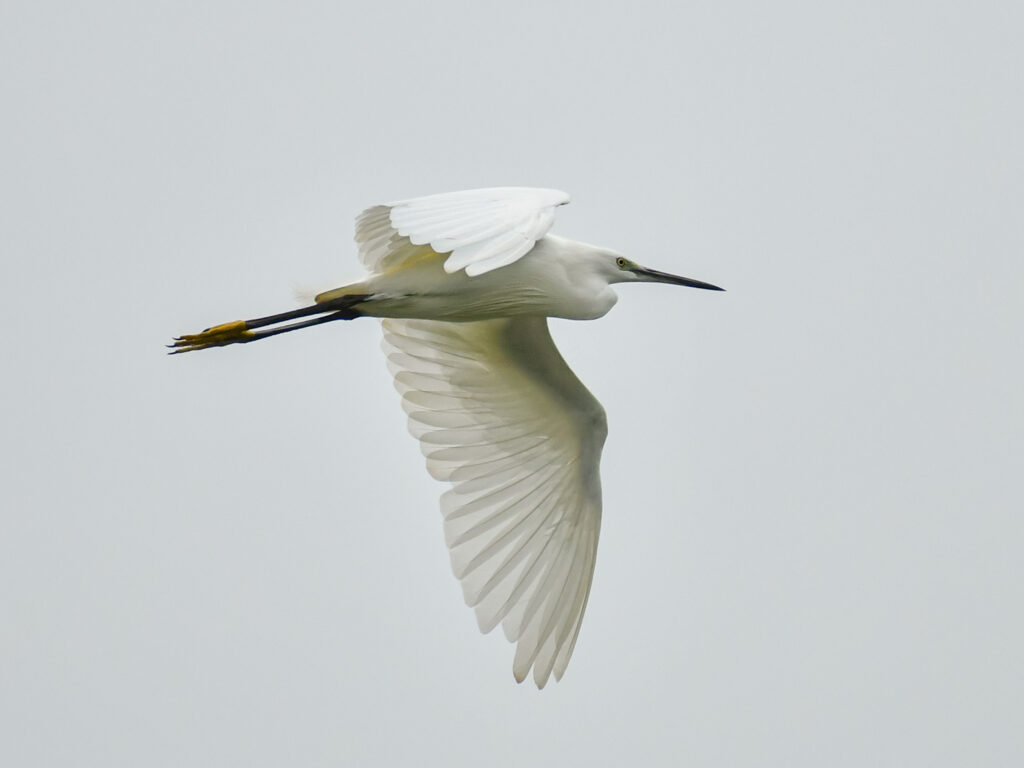
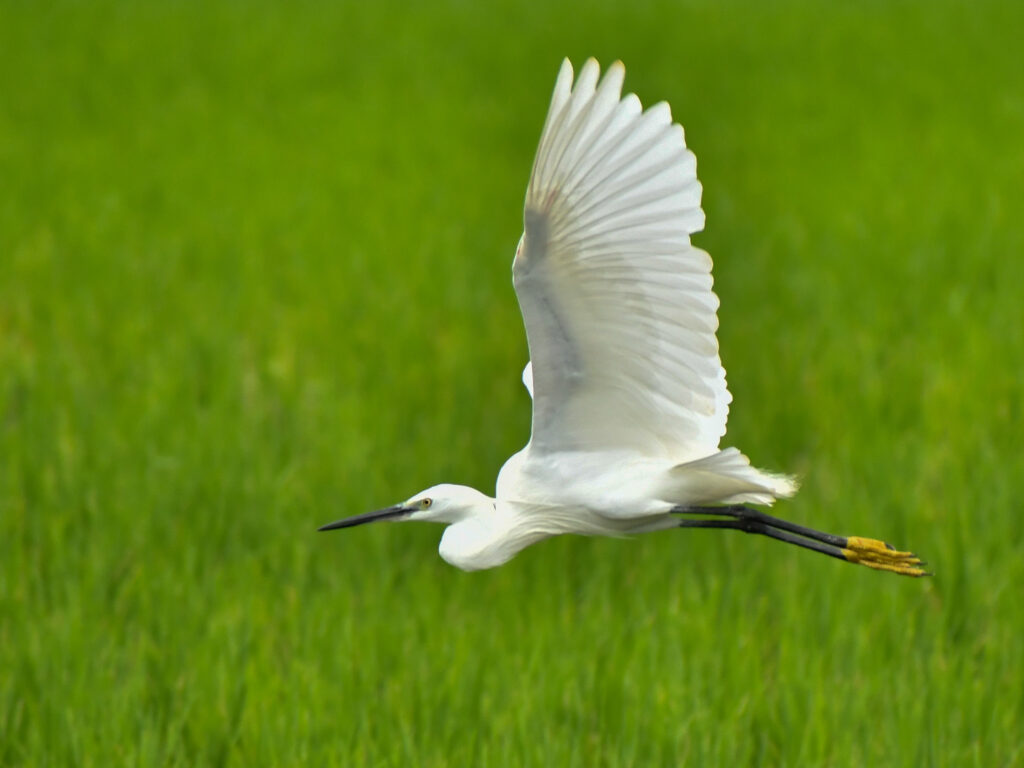
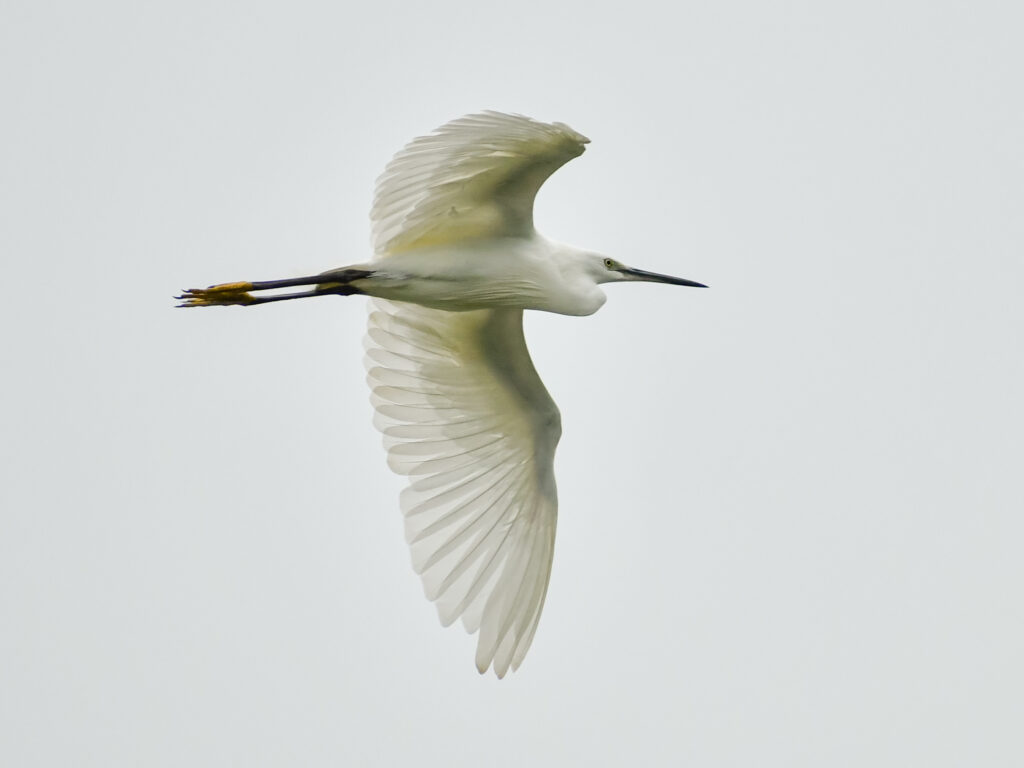
Among them, the Little Egret immediately caught my attention. Its bright white body stood out beautifully against the green paddy field. When it took flight, I could see its long wings, slender neck and legs clearly against the background.
What interested me most was not just the bird itself, but the entire scene around it. I wanted the photograph to show the Little Egret as part of the real agricultural landscape of Kanyakumari, rather than making it look like an isolated bird photograph.
The green paddy field, coconut trees, farmers working in the background and the flying Little Egret all came together in one frame. That combination was what made me wait for the right moment and press the shutter.
❤️ What I Felt
Standing in the middle of the paddy field that morning gave me a completely different feeling from my usual photography sessions. I had gone there simply hoping to find some birds, without knowing what I would actually see.
When I saw the Little Egret flying across the green field, I felt a sudden excitement. For a few moments, everything around me seemed to disappear and my attention was completely focused on the bird and the camera.
What made the moment even more special was seeing the bird within its natural surroundings. The green paddy field, the farmers working in the background, the coconut trees and the flying white Egret came together naturally.
When I looked at the photographs on my camera after capturing the sequence, I felt that the decision to return to the nearby fields had been worth it. I had not travelled many kilometres searching for a rare subject that morning. I simply followed a thought, explored the fields close to home, and found a beautiful moment waiting there.
🎯 The Challenge
Photographing birds in a natural environment was quite challenging that morning. The weather was cloudy and it was raining lightly, so the available light was limited. I had to carefully adjust my camera settings to get enough light while still keeping the moving birds sharp.
The first group of small birds I noticed gave me an immediate lesson. As soon as I raised my camera and tried to photograph them, they suddenly flew away before I could properly frame the shot. From that moment, I realised that I had to be ready before the birds entered the frame.
The Little Egret was also constantly moving. When it began flying across the paddy field, I had only a few seconds to react. I had to follow its movement through the viewfinder, maintain focus and press the shutter at the right moment.
Another challenge was the composition. I did not want to capture only the bird against an empty background. I wanted the photograph to show the green paddy field, coconut trees and the farmers working in the background while keeping the Little Egret as the main subject.
I therefore moved carefully between the banana plants and waited for the bird to reach the right position. When it approached the area where the people were working, I captured a short sequence of photographs. The second frame turned out to be the photograph I liked most.
📷 Camera Settings
- Camera: Nikon D7500
- Lens: Nikon 70–300mm
- ISO: 500
- Aperture: f/6.3
- Shutter Speed: 1/1600 sec
- Exposure Compensation: +3 EVActive D-Lighting: High
- Shooting Mode: Continuous / Quick Continuous
- White Balance: 5800K
- Focus Area: Small, precise focus point for the bird
Why I Chose These Settings
Because the Little Egret was flying quickly, I needed a fast shutter speed to freeze its movement and capture the wings clearly. The 1/1600 sec shutter speed helped me record the bird sharply during flight.
The 70–300mm lens allowed me to photograph the bird from a distance without disturbing it. I used the longer focal length to bring the Little Egret closer in the frame while still keeping the surrounding paddy field and background elements visible.
The cloudy and rainy conditions reduced the available light, so I used ISO 500 and an aperture of f/6.3 to maintain a usable exposure. I also used continuous shooting because the exact moment when a bird spreads its wings or changes direction can last only a fraction of a second.
I adjusted the white balance to 5800K to produce a more natural appearance in the green paddy field and the surrounding morning light.
✨ The Result
When I looked at the photographs on my camera after capturing the sequence, I was happy to see that the moment I had imagined was actually captured in the frame.The Little Egret was clearly visible in flight, with its wings fully extended and its body sharply separated from the green paddy field. The natural background added much more context to the photograph than a simple close-up bird portrait would have.What I particularly liked was the combination of the flying white Egret, the green rice field, the coconut trees and the farmers working in the background. The people were visible as part of the environment without becoming the main subject.The photograph also reminded me why I enjoy exploring familiar places with a camera. I had originally returned home after my regular sunrise photography work and had no specific plan to photograph a Little Egret that morning. A simple thought about exploring the nearby paddy fields eventually led to this photograph.For me, the final image is not just a photograph of a bird. It records a particular morning in Kanyakumari, showing the bird within the agricultural landscape where I found it.
Phots
🐦 About the Little Egret
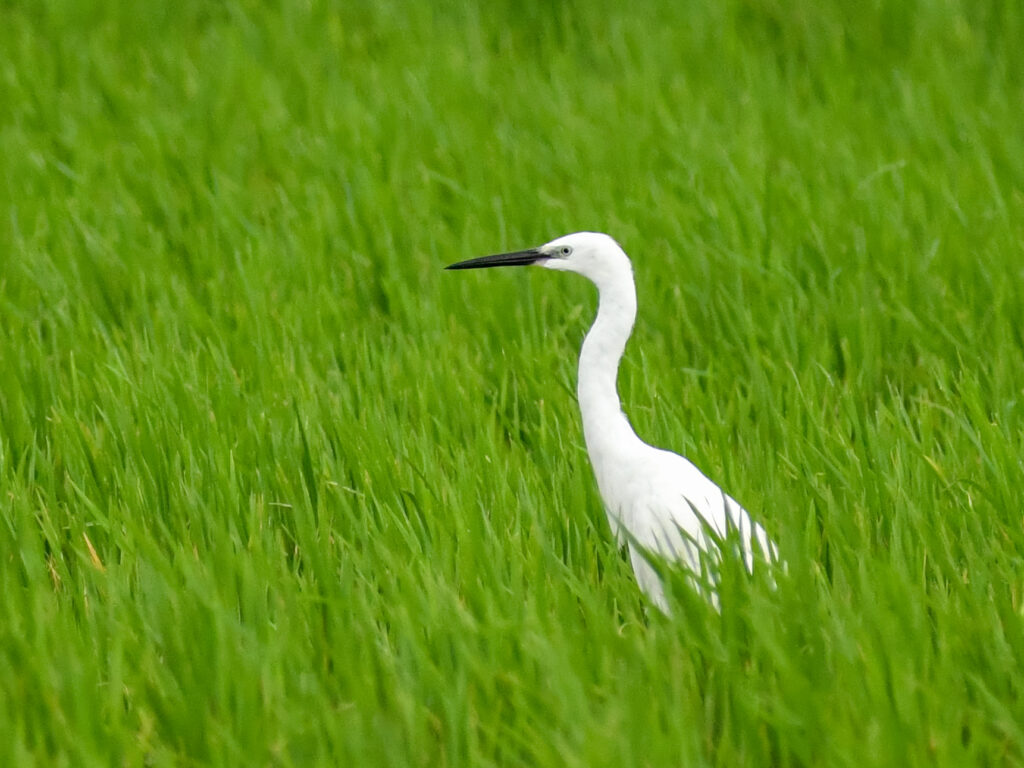
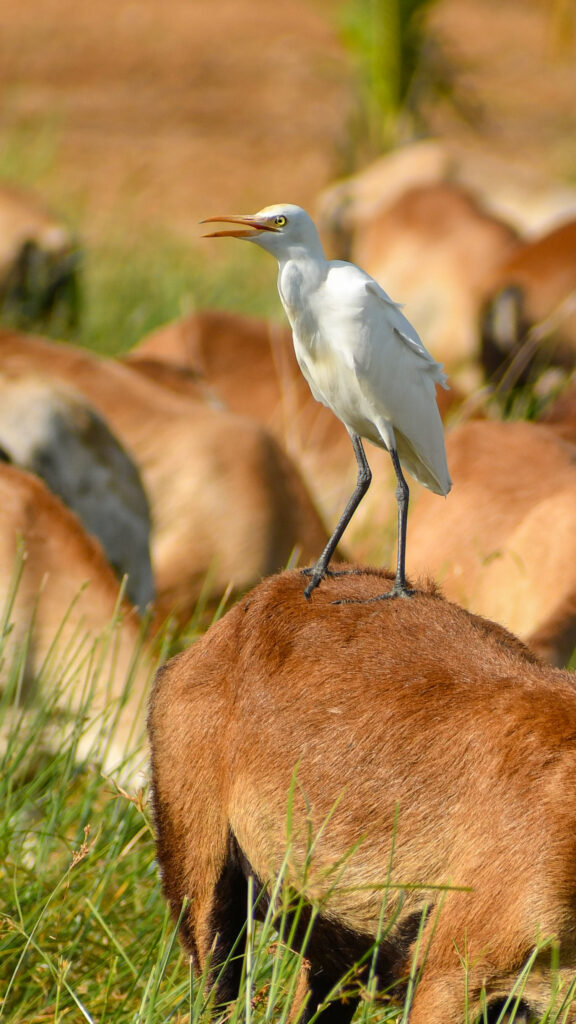
Little Egret (Egretta garzetta) is a small white heron belonging to the heron family, Ardeidae. It is recognised by its slender body, long black bill, long dark legs and bright white plumage.
Little Egrets are commonly associated with wetlands and other watery habitats, where they search for food. Their presence in agricultural landscapes such as paddy fields shows how these cultivated areas can also provide important feeding environments for birds.
During my visit to the paddy field, I was able to observe the Little Egret not as an isolated subject, but as part of the wider agricultural landscape of Kanyakumari. The green rice fields, flowing water, trees and people working in the fields created the natural environment in which I photographed this bird.
The Little Egret is distributed across a wide geographic range, and current eBird range data show the species occurring throughout different regions and seasons.
💡 Photography Tip
When photographing birds in flight, preparation is more important than speed.
Before starting, observe the birds and understand their movement. Keep your camera ready and use a fast shutter speed to freeze their motion. Continuous shooting mode can help capture several frames during a short flight.
In cloudy or rainy conditions, keep an eye on your exposure and adjust the ISO when necessary. A telephoto zoom lens such as a 70–300mm can help you maintain a comfortable distance while still filling the frame with the bird.Most importantly, don’t concentrate only on the bird.
Look at the entire scene. Including the natural environment, such as paddy fields, trees, water, or people working nearby, can turn an ordinary bird photograph into a stronger visual story.
The key lesson from this photograph: sometimes the best bird photographs happen when you stop chasing the subject and start observing its environment.
📍 Location | Kanyakumari Paddy Fields
This photograph was captured in the paddy fields near Kanyakumari, Tamil Nadu, during a morning bird photography session. The fields were surrounded by green rice plants, coconut trees, flowing water channels and local farmers working in the early morning.
This natural agricultural landscape provided a beautiful environment for observing and photographing birds such as the Little Egret and several other species.
📍 Photography Location
This photograph was captured in the paddy fields near Kanyakumari. Explore the location where this Little Egret and several other birds were photographed.
📍 View Photography Location on Google Maps